
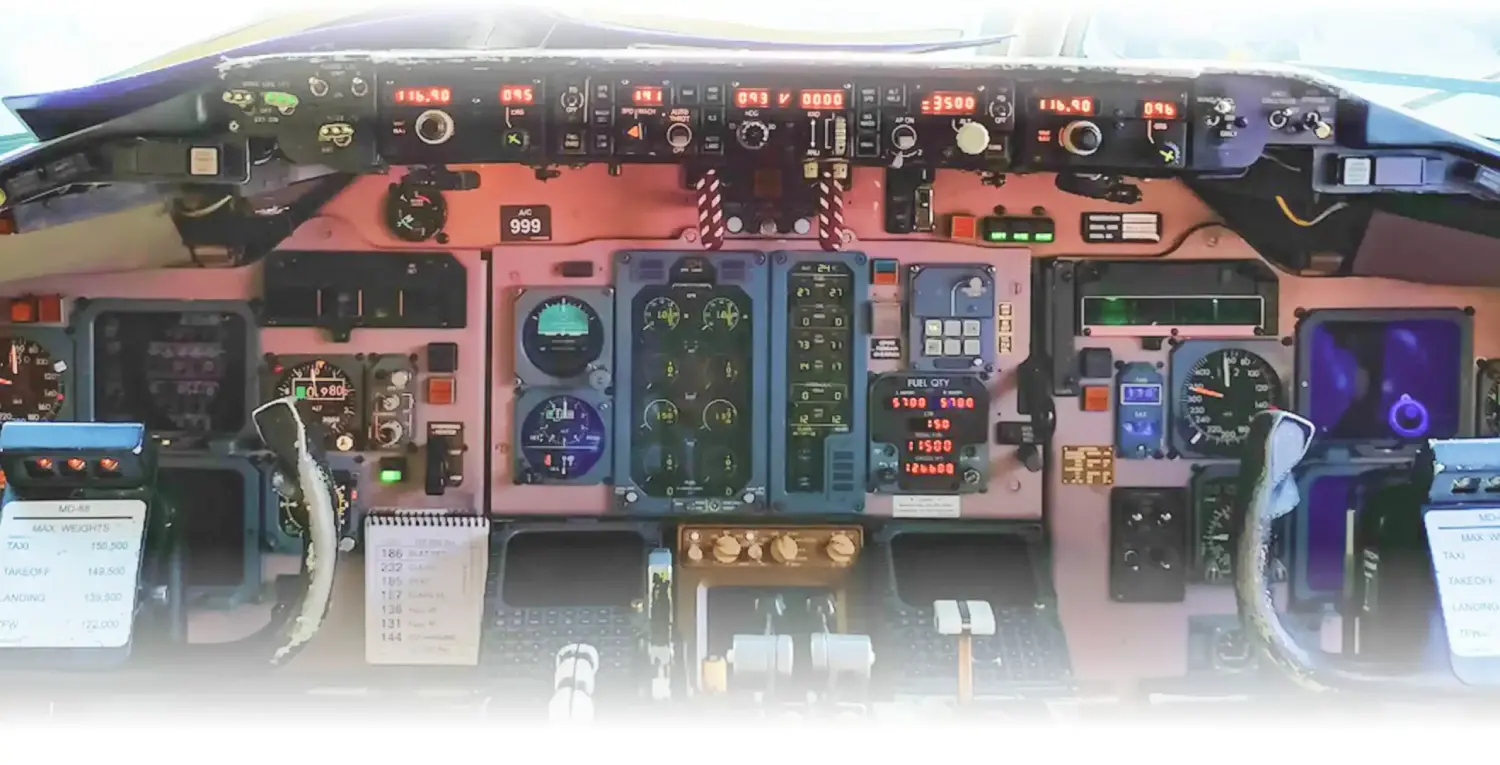
Before beginning lessons, we recommend all students obtain at least an FAA Class II Medical Certificate – although Class I will eventually be required for airlines.
All pilots begin with a student pilot’s license. This allows brand-new pilots to fly on their own without an instructor aboard (this is called flying solo!). To apply for a student pilot’s license, the only requirements are to be fluent in English and that you can show proof of United States citizenship to an authorized instructor. If you are not a United States citizen, a TSA waiver will need to be obtained.
Before beginning lessons, we recommend all students obtain at least an FAA Class II Medical Certificate – although Class I will eventually be required for airlines.
All pilots begin with a student pilot’s license. This allows brand-new pilots to fly on their own without an instructor aboard (this is called flying solo!). To apply for a student pilot’s license, the only requirements are to be fluent in English and that you can show proof of United States citizenship to an authorized instructor. If you are not a United States citizen, a TSA waiver will need to be obtained.
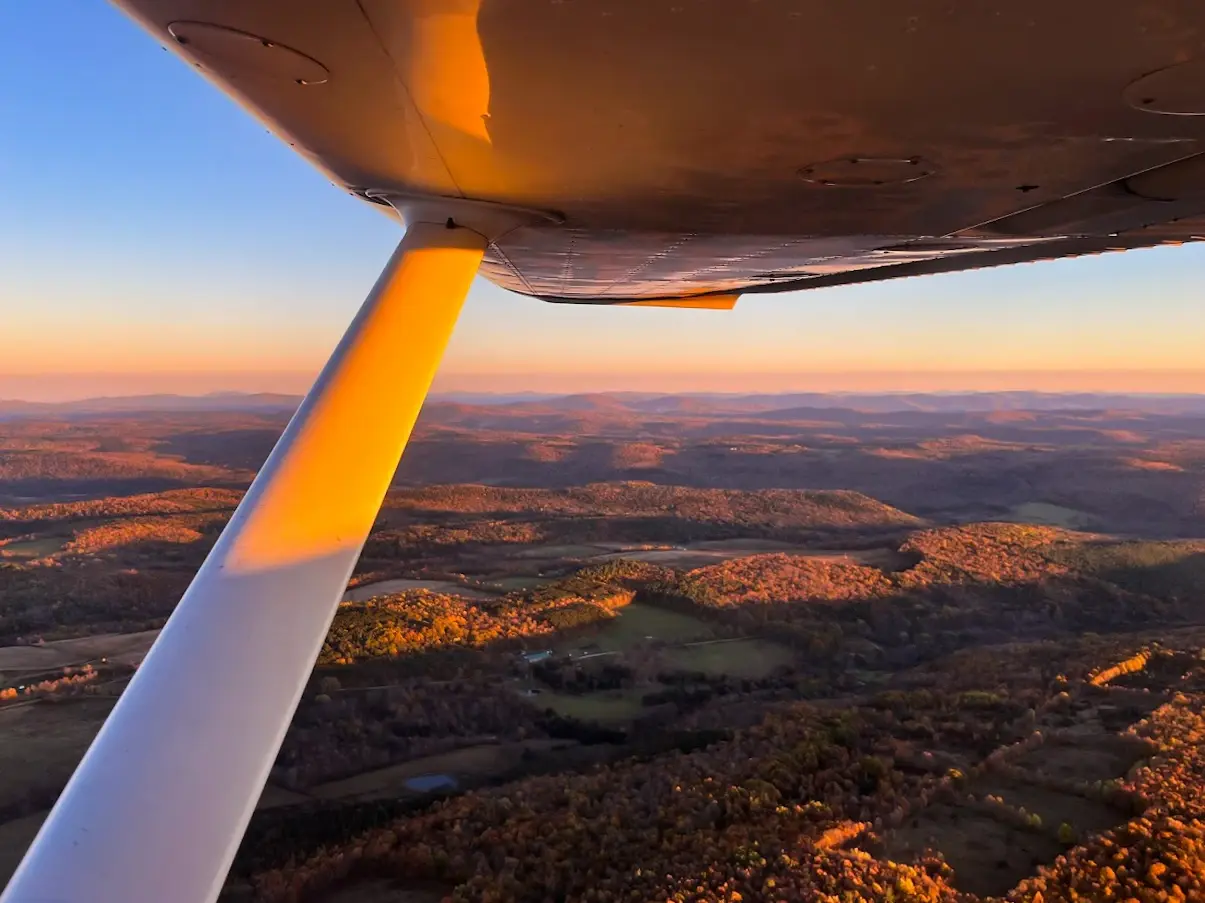
The Private Certificate allows you to fly with passengers on-board to any public airport! Private students will learn how to operate an airplane, gain familiarity with the national airspace system, and develop safe habits and Aeronautical Decision Making (ADM) skills.
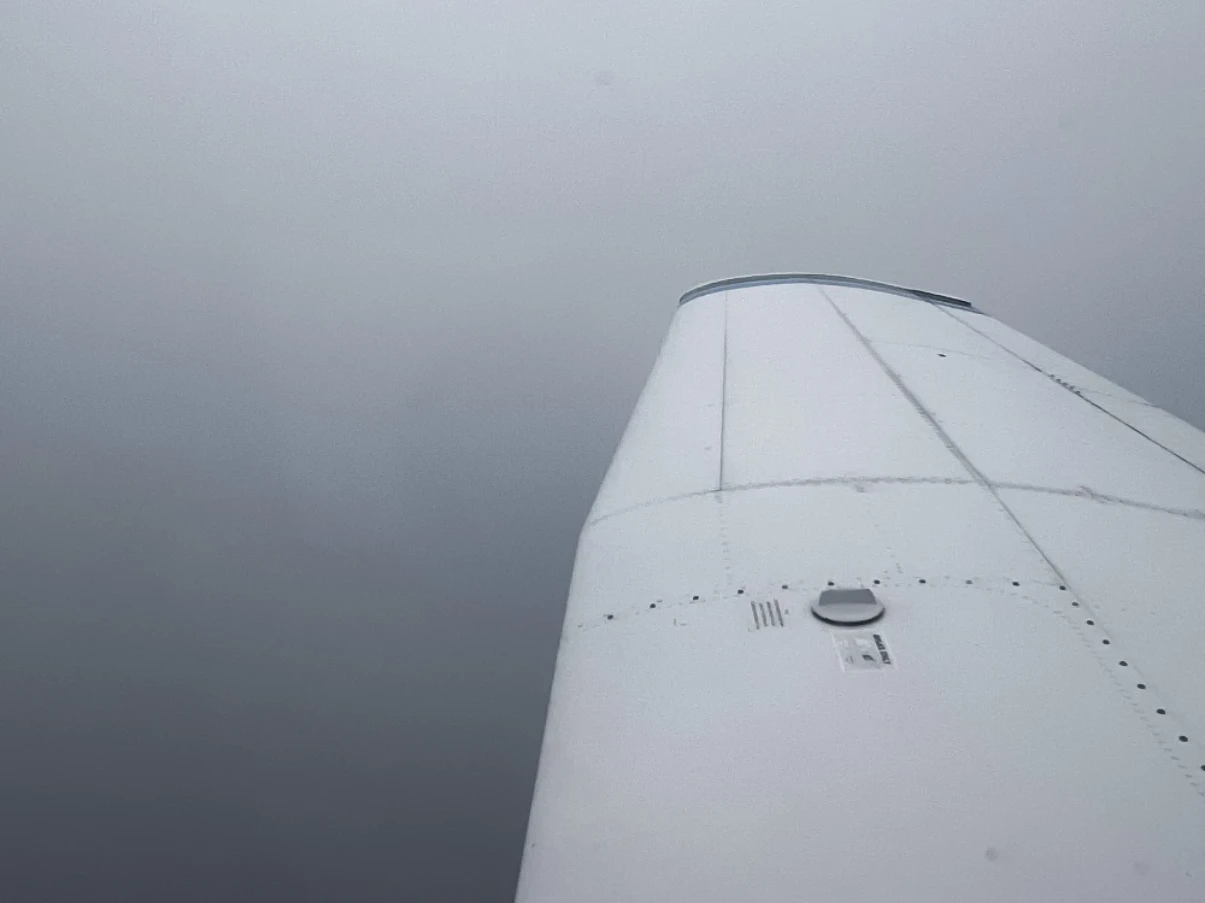
After obtaining your Private Certificate, the Instrument Rating certificate will allow you to fly through clouds and low visibility- something you will do often as a commercial pilot. During instrument training, you will be flying with no visual reference to the outside, and will be navigating strictly off instruments. Students will develop excellent cockpit management skills, and master their ability to divide attention between instruments and on-board documents.
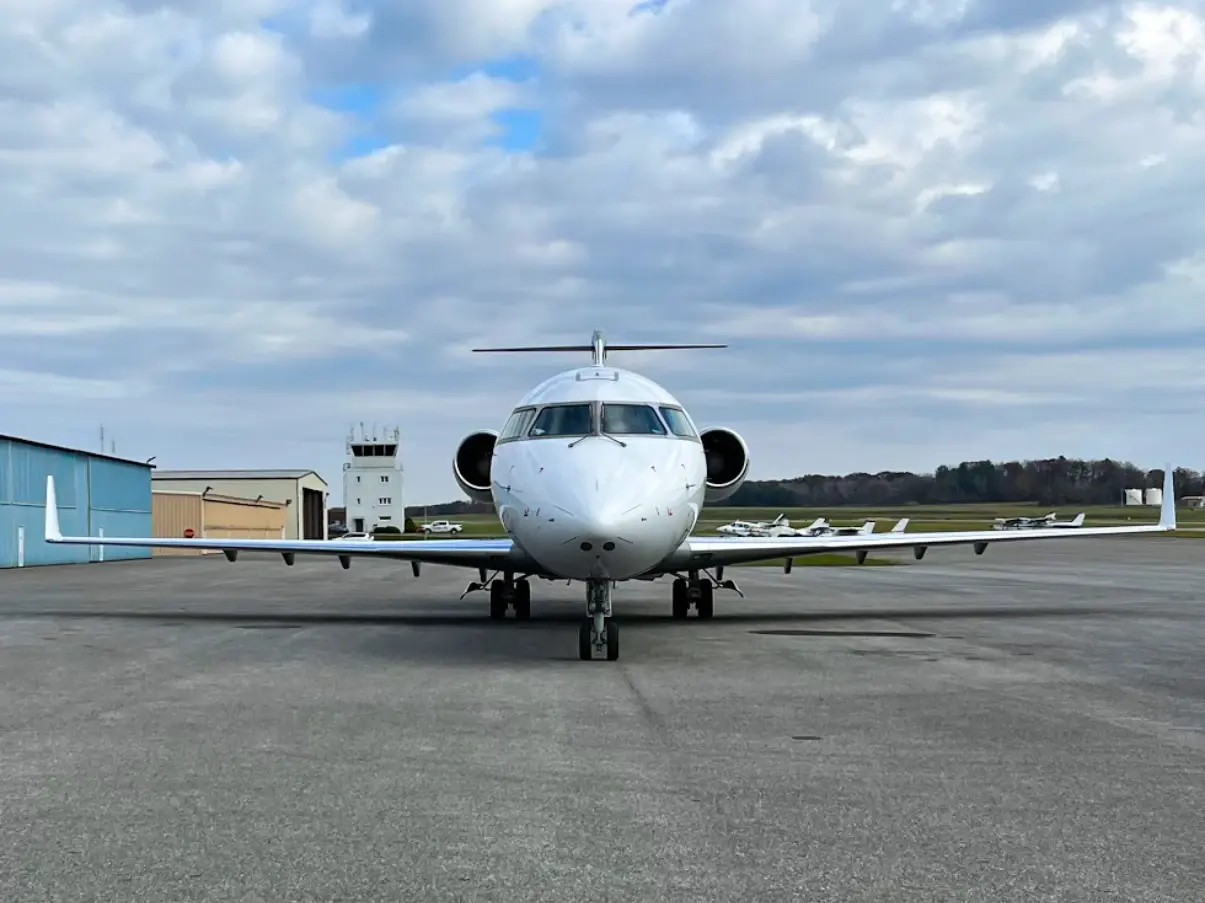
The Commercial Certificate will qualify you to operate an airplane for compensation or hire. Through commercial training, you will develop a mastery of aeronautical knowledge and stick-and-rudder skills. Students will perfect their navigation and flight planning skills with a minimum of 35 hours of solo cross-country flight time under Part 141, or 50 hours under Part 61.
Commercial is as far as Five Star Flight provides training for. Beyond CPL, most will obtain their Certified Flight Instructor (CFI) certificate. This allows you to work and build time teaching others how to fly. Most larger aircrafts (as you likely want to fly!) will require to a Multi-Engine Rating (AMEL). Both CFI and AMEL typically require less than 10-15 hours of flight training.
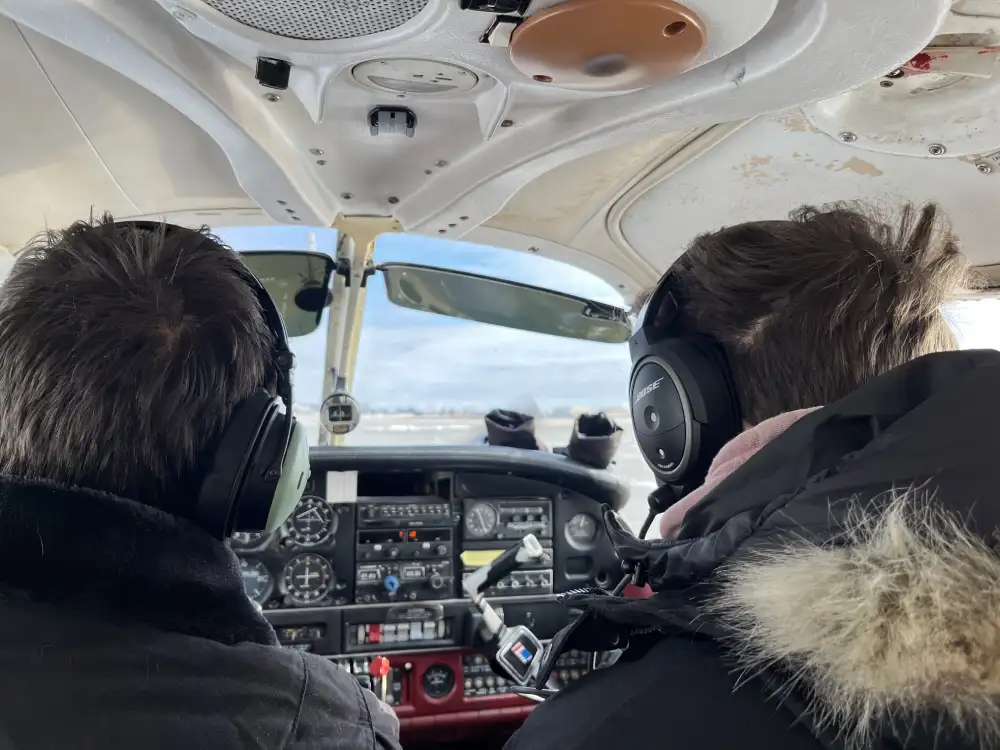
The Certified Flight Instructor (CFI) certificate allows you to teach others how to fly an airplane. During CFI training, you will learn how to fly from the right seat, and gain knowledge to prepare you for teaching the art of flying. Working as a CFI is a great way to build hours and experience.